
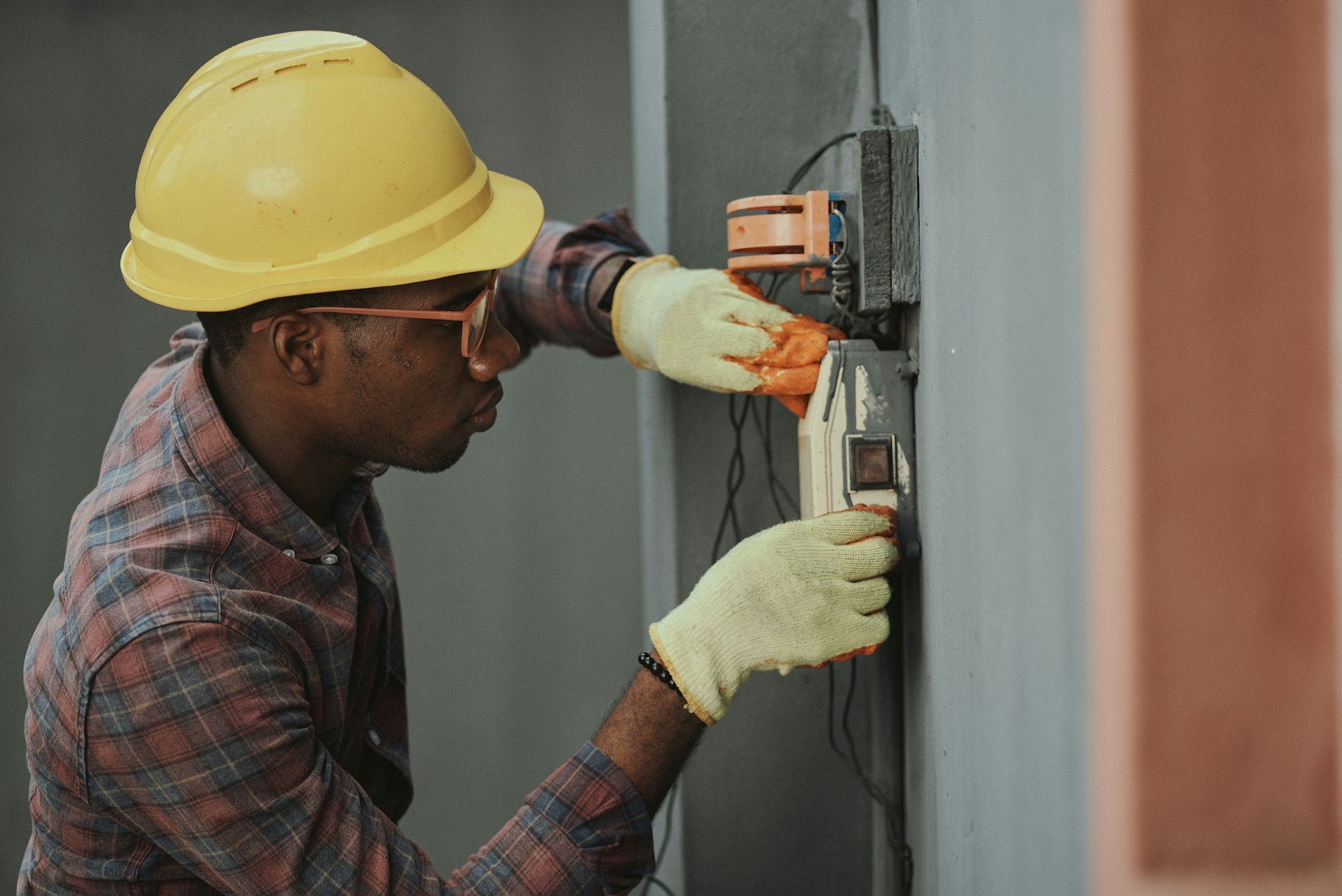
A symptom is a starting point, not a diagnosis
Loss of power, flickering, recurring protective-device trips or a damaged device can have different causes. The useful information is what happened, where and when, not a guess made from equipment age. A Licensed Electrical Contractor should assess the installation within a defined diagnostic scope and explain the identified cause before repair work is approved.
Prepare the scope for your Brampton property
Note the affected rooms and what was operating at the time. Describe whether the event is isolated or recurring, and provide any safely visible device labels or past repair information.
Ask for the diagnosis to be explained before authorizing a broad replacement. The initial visit should identify what is included in fault finding and how additional repair work will be approved.
What should the assessment establish?
A Brampton fault assessment should test the explanation against the affected area, not against assumptions about how busy the household is. A pattern during meal preparation or laundry use is relevant history, but it does not prove an overload or identify a damaged component. Ask the contractor to describe what was established and which equipment should remain out of use pending correction. Keep the diagnostic findings distinct from recommendations to reorganize circuits for convenience. Before approving a larger project, understand whether it resolves the known cause or addresses a separate future-use concern.
Questions before you agree to work
Can the price be confirmed from a description?
A description helps define the first assessment, but it may not establish the cause or repair scope. Ask what the initial charge covers and how a further quotation will be approved.
Does this site provide emergency dispatch?
No. The form is reviewed as an enquiry and does not provide urgent attendance. Immediate danger belongs with emergency services; arrange electrical work directly with a Licensed Electrical Contractor.